Roof Repair · Gloversville, NY
The crew records conditions with photos and notes before any material is removed. Repairs stay limited to the affected section and use products that align with the existing system.
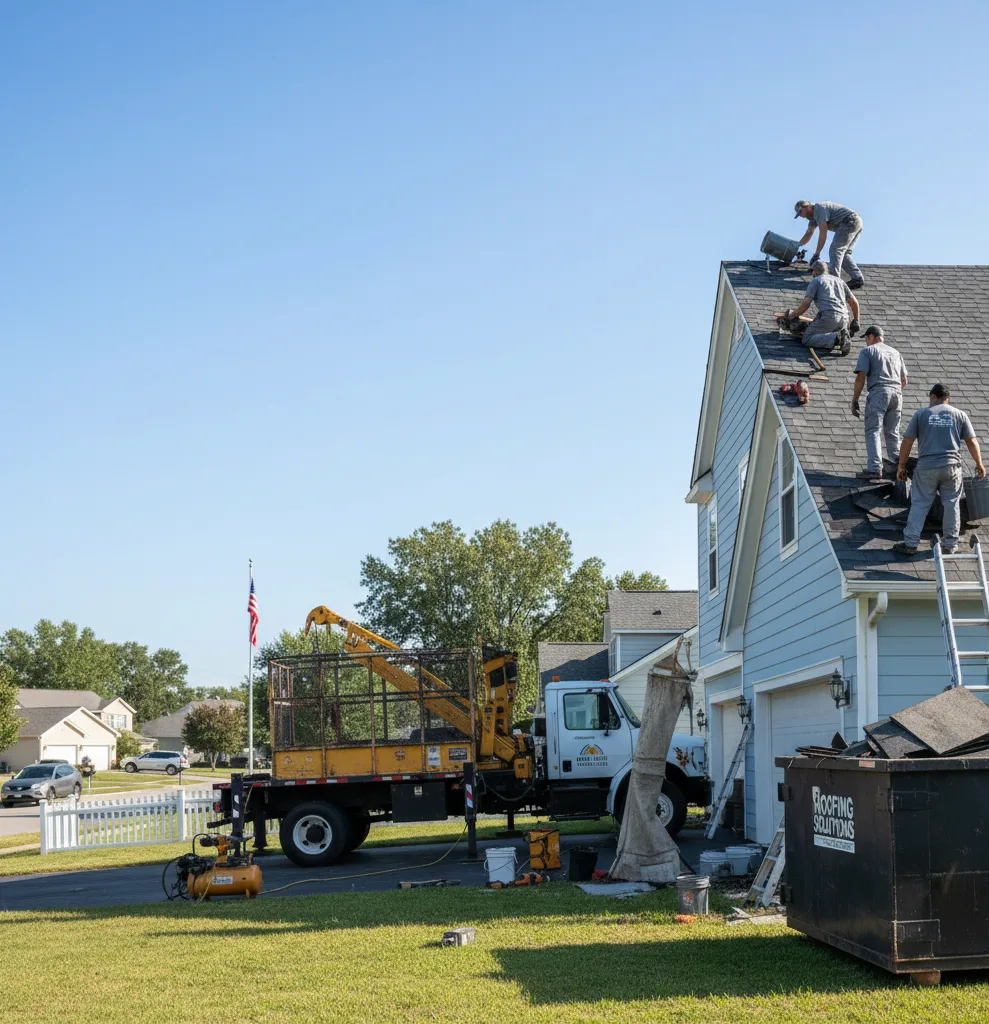
Roof leaks often appear inside long after the entry point on the exterior has been missed. A technician starts at the attic or ceiling stain and works outward, checking for gaps around vents, valleys, and skylights. Missing granules, lifted edges, or cracked sealant around pipe boots are noted because each can allow water past the surface layer. Once the path is traced, only the affected area receives attention instead of replacing large sections that remain sound. This approach keeps the repair focused and limits disruption to the rest of the structure.
Wind-driven rain can push water under flashing that looked intact from the ground. Age-related shrinkage around seals or impact from falling branches also creates openings. Homeowners can sometimes spot curled shingles or debris buildup in gutters that slows drainage, though interior stains usually require a ladder inspection to confirm the link. The crew documents each finding with photos so the homeowner sees exactly what got fixed.
The ground under any structure determines how much settling occurs as seasons change. Every home sits atop sandy loam. Weather patterns also shape the demands placed on roofing materials throughout the year. The area has warm summers and hard winters, and 157 nights below freezing.
In addition, the water supply carries its own characteristics that can influence metal components over long periods. Taps deliver soft water to properties across the region.
Roof systems must withstand whatever combination of elements appears in a given location. When problems arise from those elements, quick repairs prevent further damage to the building interior.
FAQ
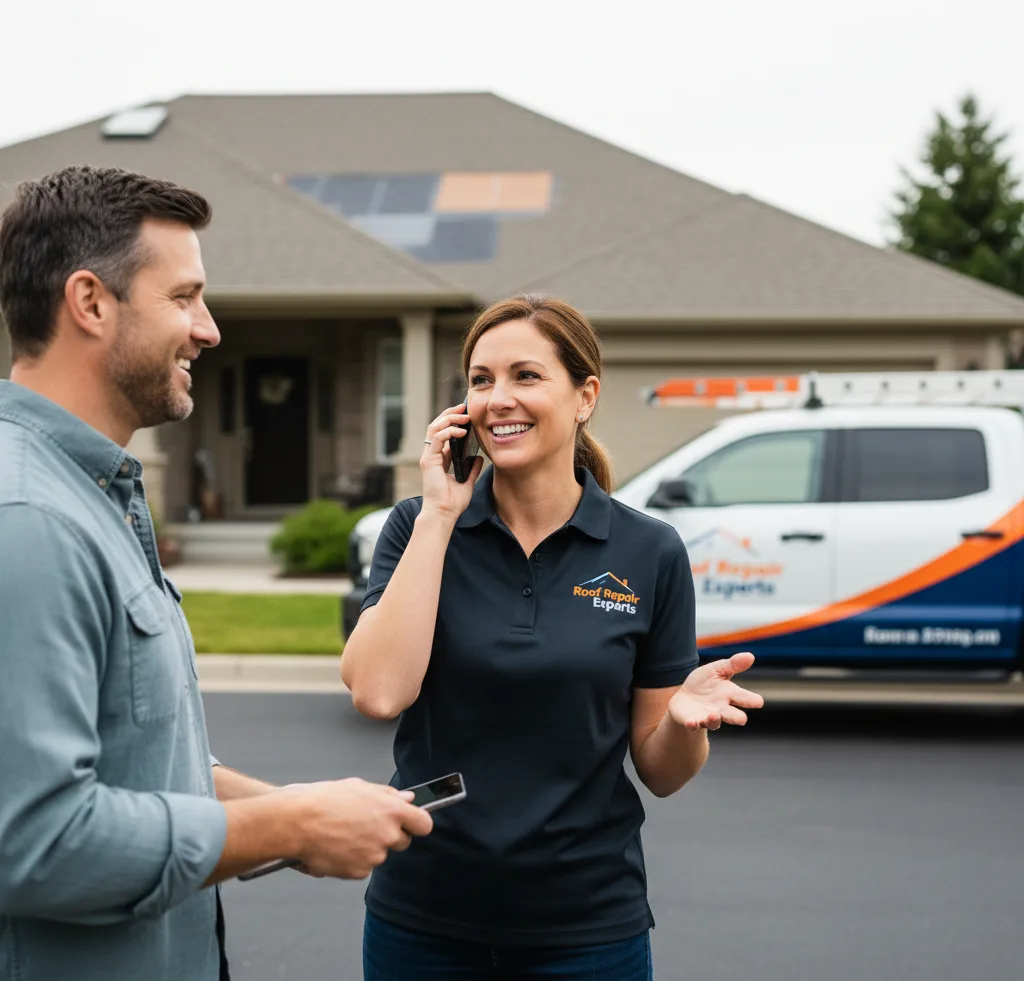
Material compatibility, fastening patterns, and sealant choice all play a role in how the repaired area holds up over time. Matching the existing underlayment type and ensuring proper overlap at seams reduces the chance of new entry points forming nearby. Weather exposure after the work also influences longevity, particularly on slopes that receive direct sun or prevailing wind.
Small sealant touch-ups on accessible flashing are sometimes done by owners, but any work above single-story height introduces fall risks and potential warranty issues on the existing roof. Professional crews carry the proper safety equipment and know how to avoid disturbing sound sections while accessing the problem area. A quick assessment can clarify whether the situation requires immediate professional attention or can wait for scheduled maintenance.
A surface patch can stop immediate entry but does not always address the path water took to reach that point. An inspection often includes checking the decking beneath the shingles and the condition of nearby flashing. If the underlayment has deteriorated or the leak has traveled along rafters, additional sections may need attention to prevent recurrence in adjacent areas.
Roof Repair across Gloversville, NY. Call (888) 206-5996.
Call (888) 206-5996